

Home Maintenance Mistakes That Cost Homeowners Thousands (and How to Avoid Them)
Owning a home comes with pride, comfort, and long-term value—but it also comes with responsibility. Many homeowners focus on visible upgrades like paint, flooring, or décor while overlooking routine maintenance issues that quietly grow into expensive problems.
In many cases, these problems aren’t caused by neglect alone, but by small mistakes, shortcuts, or misinformation. What starts as a minor inconvenience can quickly turn into a costly repair or full replacement that could have been avoided with proper care.
This guide breaks down the most common home maintenance mistakes homeowners make, why they matter, and what you can do to prevent unnecessary damage and expense.
Ignoring Early Warning Signs
One of the most expensive mistakes homeowners make is ignoring small warning signs because they seem “minor” at the time.
Common early indicators include:
Doors or windows that begin sticking
Drafts or temperature changes near openings
Moisture or condensation where it didn’t exist before
Subtle misalignment in doors, frames, or hardware
Small cracks, gaps, or corrosion
These issues rarely fix themselves. More often, they worsen gradually until the cost of repair increases dramatically. Catching problems early usually means repair instead of replacement, which can save thousands over the life of a home.
Overlooking Windows and Doors During Routine Maintenance
Windows and doors are some of the most used components in any home, yet they are often ignored until they fail completely.
Common issues homeowners miss:
Worn rollers in sliding doors
Failed window seals causing fogged glass
Loose or misaligned locks
Dry or cracked weatherstripping
Corroded tracks and hardware
When these components aren’t maintained, additional stress is placed on frames, glass, and structural elements. What could have been a simple adjustment or part replacement often becomes a full system failure.
Routine inspection and light maintenance can dramatically extend the life of windows and doors and preserve energy efficiency.
Using the Wrong Products for Lubrication and Cleaning
Many homeowners unknowingly cause damage by using products that are not designed for residential hardware or building components.
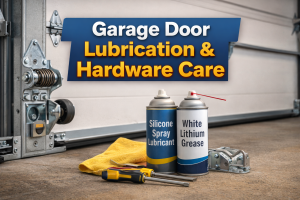
A common example is using WD-40 on doors and windows. While it may temporarily loosen parts, it is not a long-term lubricant. It attracts dirt, breaks down over time, and can actually accelerate wear.
Better practices include:
Using aluminum wax spray or silicone-based lubricants on tracks and rollers
Avoiding oil-based sprays near seals or weatherstripping
Cleaning tracks and frames before lubricating
Applying products sparingly and evenly
Using the correct materials protects finishes, reduces friction, and prevents premature wear.
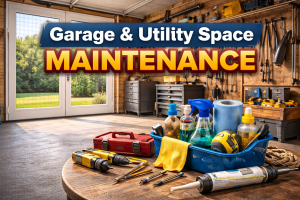
Delaying Repairs in Garages and Utility Spaces
Garages, storage rooms, and utility areas are often treated as “out of sight, out of mind.” Unfortunately, problems in these areas can impact the rest of the home.
Common garage-related issues include:
Moisture buildup leading to rust or corrosion
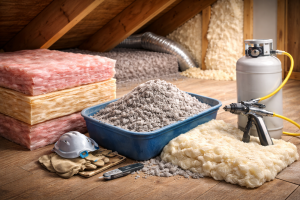
Poor insulation causing temperature transfer into the home
Warped doors or frames from humidity changes
Inadequate ventilation
Because garages often connect directly to living spaces, issues here can affect indoor air quality, energy costs, and structural longevity.
Regular inspections of garage doors, insulation, and seals help prevent damage that spreads beyond the space itself.
Choosing Replacement Too Quickly Instead of Repair
Many homeowners assume replacement is the only solution once something starts failing. In reality, repair is often far more cost-effective, especially for components like windows, sliding doors, and garage systems.
Full replacements can cost:
Tens of thousands for windows and doors
Significant labor and structural modification
Time-consuming permits and disruptions
In contrast, many repairs cost:
A few hundred dollars
Can be completed quickly
Extend the life of existing systems by years
Understanding when repair is appropriate—and when replacement is truly necessary—is one of the smartest financial decisions a homeowner can make.
Poor Moisture and Condensation Control
Moisture is one of the most destructive forces in any home. Left unmanaged, it leads to mold, corrosion, wood rot, and insulation failure.
Areas most vulnerable include:
Window frames and sills
Door thresholds
Garages and storage structures
Metal buildings or utility sheds
Preventative steps include:
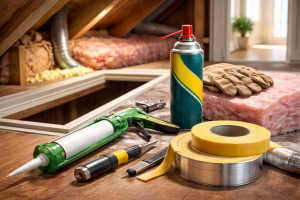
Proper sealing and weatherproofing
Adequate ventilation
Correct insulation materials
Routine inspection after heavy rain or humidity changes
Moisture problems often begin subtly but escalate quickly if ignored.
Skipping Seasonal Maintenance Checks
Homes respond differently to seasonal changes. Temperature swings, humidity, and storms all place stress on materials.
Seasonal maintenance should include:
Checking seals before hot or cold seasons
Inspecting tracks, rollers, and hardware
Ensuring proper drainage and runoff
Verifying insulation performance
Scheduling simple checks a few times a year can prevent sudden failures during extreme weather conditions.
Failing to Plan for Long-Term Durability
Many homeowners focus on immediate fixes without considering long-term durability. Materials, installation quality, and maintenance routines all affect how long components last.
Smart planning includes:
Choosing materials designed for your climate
Maintaining rather than reacting
Documenting repairs and inspections
Investing in preventative solutions
Homes that are maintained proactively are consistently less expensive to own over time.
Final Thoughts
Most costly home repairs don’t happen overnight. They develop slowly through overlooked details, delayed action, or improper maintenance.
By paying attention to early warning signs, maintaining high-use components like windows and doors, and choosing repair over replacement when appropriate, homeowners can protect their investment and avoid unnecessary expenses.
A well-maintained home isn’t just more comfortable—it’s more efficient, safer, and far less costly over the long run.