
Why Floors Creak, Pop, or Shift (And When to Worry) If your floors creak
when you walk across them, pop during temperature changes, or feel like they’ve shifted slightly over time, you’re not alone. These sounds and movements are incredibly common—especially in homes exposed to humidity, seasonal changes, or normal settling.
The key question is: is it harmless… or a sign of a bigger problem?
Let’s break down why floors make noise, what causes movement, and when it’s time to pay closer attention.
The Most Common Reasons Floors Make Noise
1. Natural Expansion and Contraction
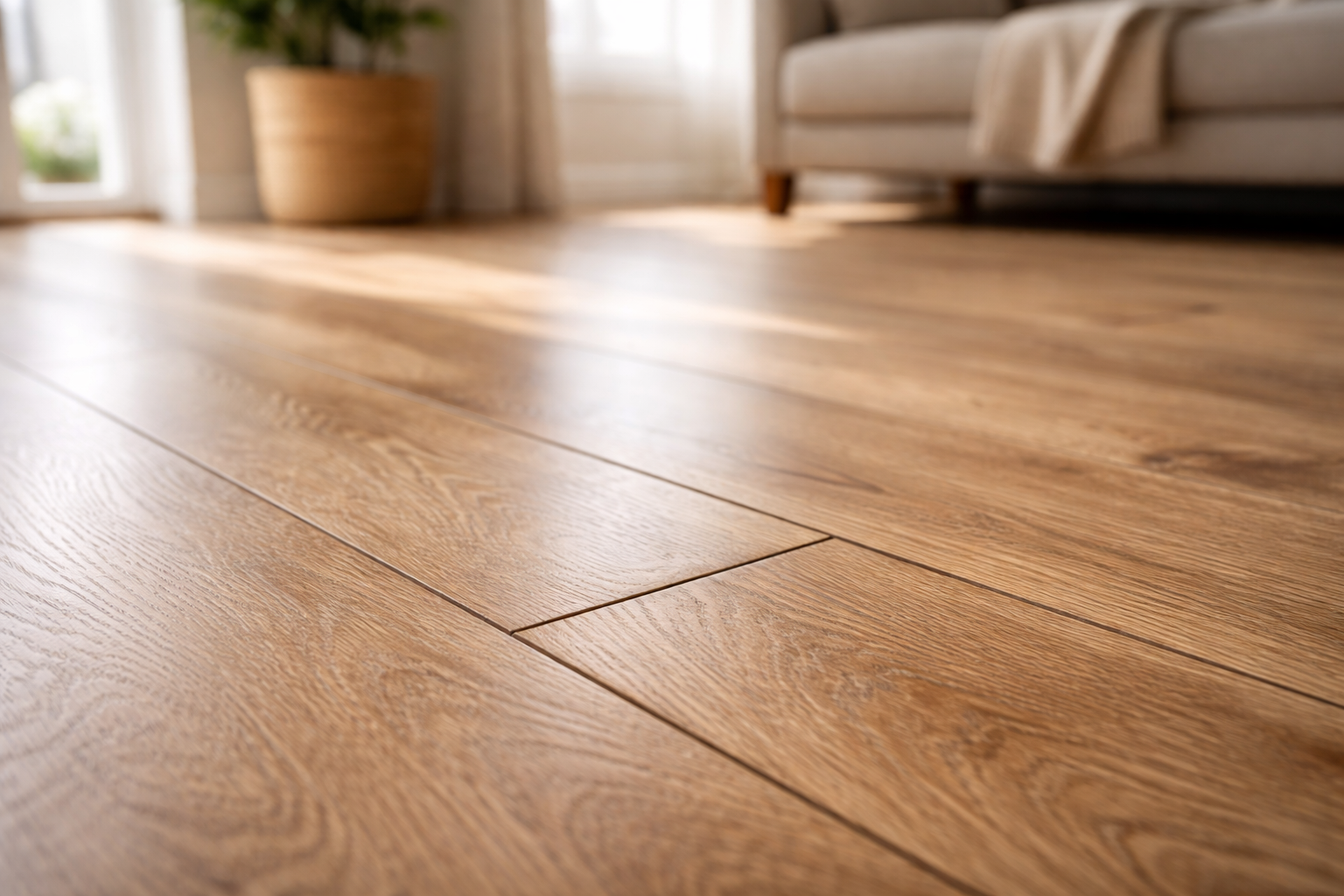
Most flooring materials expand and contract with changes in temperature and humidity. In humid climates (like Florida), this movement can be more noticeable.
Common materials affected:
Hardwood
Engineered wood
Laminate
Subfloor panels
As materials rub against nails, fasteners, or adjacent boards, you’ll hear creaks, pops, or clicking sounds.
✅ Usually normal
❌ Rarely dangerous on its own
2. Subfloor Movement
Your finished floor sits on top of a subfloor—typically plywood or OSB panels attached to floor joists. Over time:
Nails can loosen
Fasteners may shift
Panels can flex slightly
When weight is applied, the subfloor moves just enough to create noise.
This is one of the most common causes of floor creaking in older homes.
3. Humidity Changes
High indoor humidity causes wood-based materials to swell. Low humidity causes them to shrink.
This constant cycle can lead to:
Gaps between boards
Tight pressure points
Sudden popping sounds, especially at night
If your floors sound louder during certain seasons, humidity is likely the culprit.
4. Improper Installation
Floors that weren’t installed with proper spacing, underlayment, or fasteners may make noise from day one.
Signs of installation-related noise:
Sounds only in specific areas
Repeating pops in the same spot
Movement near seams or transitions
This doesn’t always mean failure—but it does explain persistent noise.
5. Normal House Settling
All homes settle over time, especially newer builds or homes built on slab foundations.
As the structure settles:
Floor framing can shift slightly
Joists may realign
Minor gaps can form
This type of movement often stabilizes on its own.
When Floor Noise Is Not a Big Deal
Most floor sounds fall into the “annoying but harmless” category.
You typically don’t need to worry if:
The noise is occasional
There are no visible cracks or gaps
The floor feels solid underfoot
Sounds change with temperature or humidity
In these cases, noise is often cosmetic—not structural.
When You Should Pay Attention
Some signs suggest something more serious may be happening underneath the surface.
🚨 Warning Signs to Watch For
Floors feel soft, spongy, or uneven
Boards visibly lift, buckle, or separate
Cracks appear along walls or baseboards
Doors suddenly stop closing properly
Noise is getting progressively worse
These symptoms can point to:
Moisture intrusion
Subfloor damage
Joist issues
Structural movement
Water Damage: A Common Hidden Cause
Leaks—especially slow ones—can quietly damage flooring and subfloors.
Common sources include:
Bathrooms
Kitchens
Sliding doors
Windows
Laundry rooms
Water weakens wood and adhesives, leading to shifting, swelling, and long-term damage.
If floor noise appears alongside staining, warping, or musty smells, moisture should be investigated.
Can Floor Noise Be Fixed?
Sometimes, yes—sometimes, it’s best managed.
Potential solutions include:
Improving indoor humidity control
Securing loose subfloor areas
Adding underlayment or padding
Addressing moisture sources
Replacing damaged sections
The right fix depends on what’s causing the movement, not just the noise itself.
The Bottom Line
Creaking, popping, or shifting floors are extremely common—and most of the time, they’re nothing to panic about. Homes move. Materials react. Sounds happen.
But when floor noise comes with movement you can feel, damage you can see, or changes that keep worsening, it’s worth taking a closer look.
Understanding the difference between normal behavior and warning signs can save you from much bigger problems down the road.