
Garage & Utility Space Maintenance: How to Protect One of the Most Overlooked Areas of Your Home
For many homeowners, the garage is more than just a place to park a vehicle. It’s a workshop, a storage area, a utility space, and often the main entry point into the home. Yet despite how heavily it’s used, the garage is one of the most overlooked areas when it comes to routine maintenance.
Neglecting garage and utility spaces can lead to moisture problems, corrosion, insulation failure, security risks, and even structural damage. The good news? Most of these issues are preventable with simple, consistent maintenance.
This guide covers what homeowners should inspect, maintain, and repair to keep garages and utility spaces safe, functional, and long-lasting.
Why Garage Maintenance Matters More Than You Think
Garages are exposed to temperature swings, humidity changes, vehicle moisture, and outdoor air infiltration. Unlike interior rooms, they’re rarely climate-controlled, which means materials expand, contract, and deteriorate faster.
Common long-term problems caused by neglect include:
-
Rusted hardware and metal components
-
Warped or misaligned garage doors
-
Moisture intrusion leading to mold
-
Insulation breakdown
-
Increased energy costs
-
Structural weakening in framing
Because garages often connect directly to living spaces, small problems can eventually affect the entire home.
Inspecting and Maintaining Garage Doors
The garage door is the largest moving component in most homes. It experiences daily wear and is exposed to outdoor elements constantly.
What to Inspect:
-
Rollers and tracks for debris or corrosion
-
Hinges and brackets for looseness
-
Weather seals at the bottom and sides
-
Springs (visually only — do not adjust without training)
-
Alignment when opening and closing
If a door becomes noisy, uneven, or difficult to open, it’s often due to worn rollers, misalignment, or lack of lubrication.
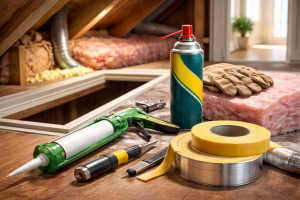
Maintenance Tips:
-
Clean tracks regularly to remove dirt buildup
-
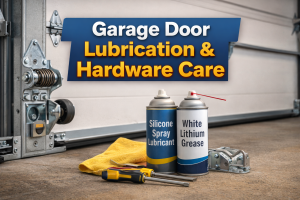
Use appropriate lubricant on metal moving parts (avoid oil-based sprays that attract grime)
-
Replace cracked or brittle weatherstripping
-
Tighten loose bolts and mounting hardware
Addressing small issues early prevents costly full door replacements.
Moisture Control in Garages
Moisture is one of the biggest threats to garage durability.
Sources of moisture include:
-
Rain blowing in under doors
-
Vehicle water runoff
-
High humidity climates
-
Poor ventilation
-
Concrete slab condensation
Signs of Moisture Problems:
-
Rust forming on tools or hardware
-
Water stains on walls or ceilings
-
Moldy smells
-
Peeling paint
-
Corrosion on door components
Prevention Strategies:
-
Ensure bottom door seals are intact
-
Improve ventilation with passive vents or exhaust fans
-
Use dehumidifiers in humid climates
-
Seal cracks in concrete floors
-
Check roof flashing and exterior trim for leaks
Moisture left untreated can weaken framing and insulation over time.
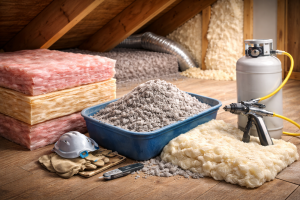
Insulation and Energy Efficiency in Utility Spaces
Many homeowners don’t realize how much energy loss occurs through garages and attached utility rooms.
Poor insulation allows:
-
Heat to enter during summer
-
Cold air to penetrate in winter
-
Temperature transfer into adjacent living spaces
This can increase energy bills and reduce overall comfort.
Areas to Evaluate:
-
Garage door insulation
-
Wall insulation between garage and home
-
Ceiling insulation (especially under living spaces)
-
Air gaps around entry doors
Upgrading insulation or sealing air gaps can significantly improve efficiency, especially in attached garages.
Protecting Metal Components from Rust and Corrosion
Garages often contain metal elements such as:
-
Door tracks
-
Hinges
-
Springs
-
Tool storage systems
-
Metal shelving
-
Utility panels
Without proper care, corrosion can spread quickly in humid environments.
Prevention Methods:
-
Keep surfaces dry
-
Apply protective coatings where appropriate
-
Maintain proper ventilation
-
Store moisture-sensitive tools off concrete floors
-
Address minor rust spots immediately
Small corrosion spots can often be cleaned and sealed before they become structural issues.
Storage Systems and Load Safety
Utility spaces are often overloaded with:
-
Tools
-
Equipment
-
Seasonal decorations
-
Building materials
-
Storage bins
Improper storage can create safety hazards and strain walls or ceiling joists.
Smart Storage Practices:
-
Anchor shelving units securely
-
Avoid overloading ceiling-mounted storage
-
Keep heavy items at lower levels
-
Ensure wall studs support mounted systems
Maintaining safe storage protects both the structure and the people using the space.
Utility Areas: Electrical and Mechanical Awareness
Garages commonly house:
-
Electrical panels
-
Water heaters
-
HVAC equipment
-
Water filtration systems
Routine visual inspections help catch problems early.
Look For:
-
Rust or corrosion on equipment
-
Water leaks near appliances
-
Unusual noises
-
Loose wiring (never handle live components)
-
Poor airflow around mechanical systems
While complex repairs should be left to professionals, simple observation goes a long way in preventing larger failures.
Structural Components to Watch
Garage framing and roofing systems can deteriorate faster than interior spaces due to exposure.
Inspect:
-
Roof decking for leaks
-
Ceiling drywall for sagging
-
Exterior trim for rot
-
Concrete slab cracks
-
Door frame integrity
Small cracks or separations often indicate shifting, moisture intrusion, or expansion stress.
Addressing these issues early prevents major structural repairs later.
When to Repair vs Replace Garage Components
Many homeowners assume that once a garage component fails, replacement is the only option. However, repairs are often much more cost-effective.
Examples of repairable issues:
-
Worn rollers
-
Broken weather seals
-
Misaligned tracks
-
Minor panel damage
-
Insulation upgrades
Full replacements are typically necessary only when structural damage or extensive corrosion is present.
Evaluating repair options first can save thousands over time.
Seasonal Garage Maintenance Checklist
Spring:
-
Inspect door hardware
-
Clean tracks
-
Check weather seals
-
Evaluate moisture levels
Summer:
-
Monitor ventilation
-
Check insulation
-
Inspect roof and flashing
Fall:
-
Seal air gaps
-
Inspect concrete cracks
-
Prepare for temperature changes
Winter:
-
Check for condensation buildup
-
Clear debris from door tracks
-
Ensure seals remain flexible
Routine checks prevent seasonal damage from escalating.
Final Thoughts
Garage and utility spaces may not receive the same attention as kitchens or living rooms, but they play a critical role in your home’s overall performance, safety, and longevity.
By inspecting doors, controlling moisture, maintaining insulation, and addressing minor wear early, homeowners can extend the life of garage systems and prevent costly structural damage.
A well-maintained garage doesn’t just protect vehicles and tools — it protects the home itself.